← Guides
Mapping interfaces between systems: a practical example
How to describe a data exchange so that different vendors implement it the same way.
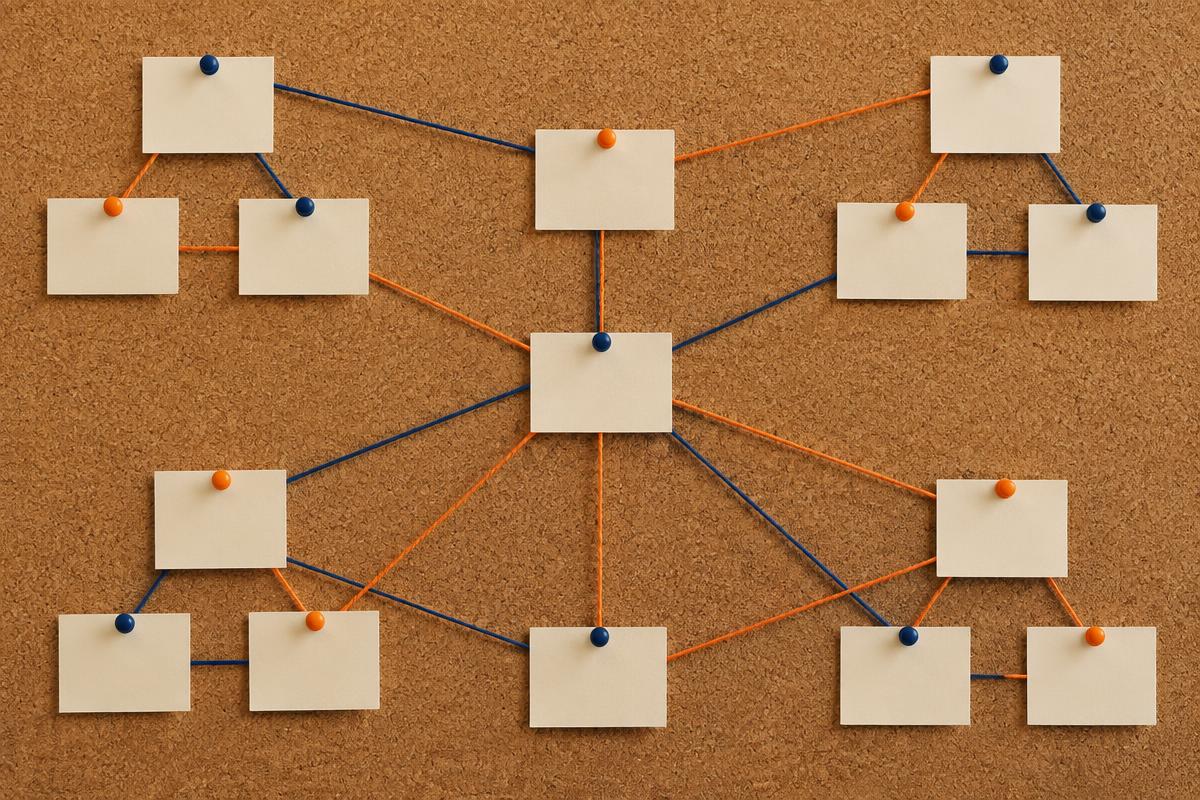
When two systems hold the same data, they eventually diverge. Mapping interfaces means deciding, for each piece of data, who creates it, who receives it, when, and what happens if the exchange fails.
One source per data entity
For each entity (customer, item, price, order) name a single authoritative system. Others receive it and do not change it, or change it only under written rules.
Five facts for every interface
Each row of the interface list should state:
- Direction (from A to B)
- Trigger or frequency (on change, nightly)
- Fields exchanged and format
- Error behaviour
- Interface owner
Responsibility boundaries
When an interface links systems from two vendors, write down who answers for what: sender, receiver, monitoring. This is the most frequent cause of unresolved issues.
Example
Interface list excerpt
| Interface | Direction | Frequency | On error | Owner |
|---|---|---|---|---|
| Customer master | ERP → CRM | On every change | Queue and notify accounting | ERP vendor |
| Stock levels | Warehouse → Online shop | Every 15 minutes | Item shown as unavailable | Shop vendor |